
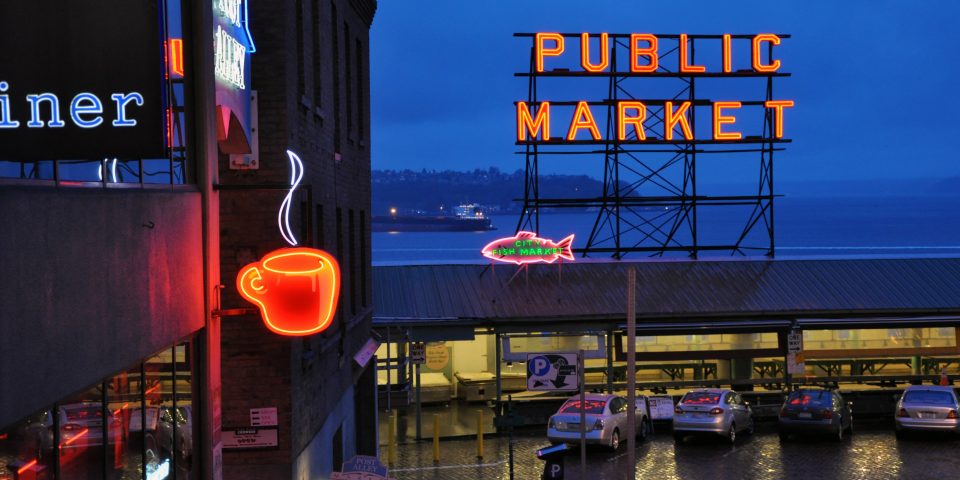
Professor Charles R. Taylor, a marketing professor at Villanova University, and a Research Fellow at the Center for Marketing and Policy Research, conducted a survey of business owners as to the value of illumination for their on-premise signs. Surveys were sent to 750 business owners, and 333 useable responses were received. Here are some of […]

A car wash in California had a two-color, freestanding, rectangular ground sign. It replaced it with a sign of the same proportion, which constituted a multi-color, dimensional cabinet sign on a pole, with a manual, changeable-copy sign below it. The sign cost $15,000. In the first year after the new sign was installed, gross revenue […]

Melvin Tuchez worked as an employee in the auto-sales business, and then he purchased his own dealership, Aztec Motors, in San Fernando, California. He believed three other auto-sales companies on the same site had failed due to inferior branding and weak management. He immediately began spending $16,000 per month on print and on-air advertising. A […]
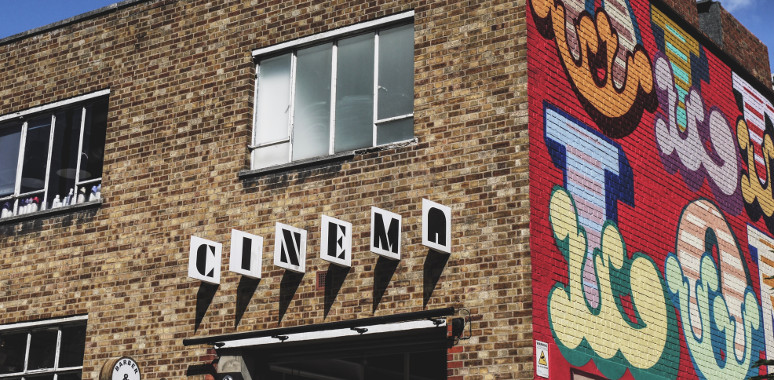
The difference in conspicuity for parallel and perpendicular signs has been calculated by Penn State research, along with the requisite minimum sizes for the letters of each. But what if the local sign code won’t allow a bigger sign, and not enough projection length for a legible perpendicular sign? Would a sign with at least […]
In 1985, the city of Agoura Hills, California enacted a sign ordinance that prohibited all pole signs, with the exception of a few that were less than 6 feet tall. It included an amortization period that ended in March 1992, at which time all of the pole signs would have to come down, without any […]

When a Pier 1 Imports store opened in Germantown, TN (a suburb of Memphis) in 1991, it was granted a permit for a sign that faced west-bound traffic. However, no signage was visible to east-bound traffic. A few months after the store’s opening, sales were 25% below projections, despite typical promotions, advertising and direct mailings. […]
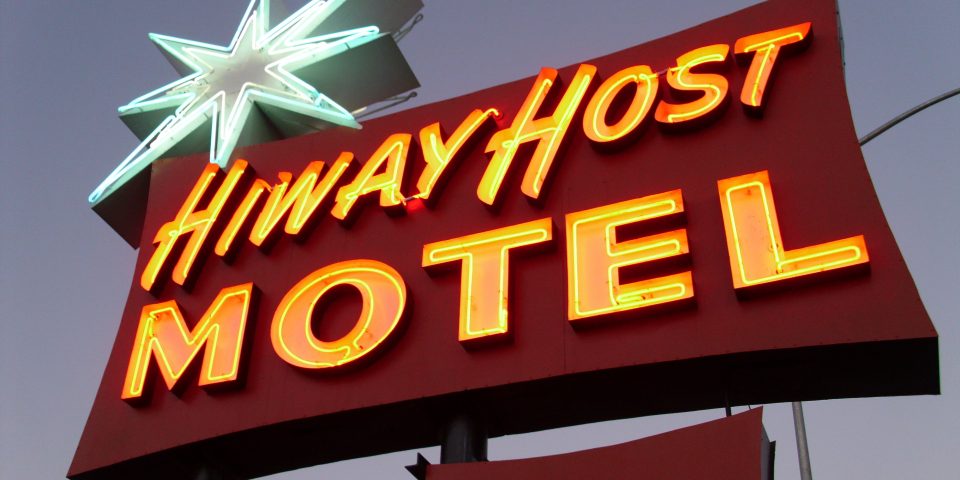
Amortization concerns the compensation for a sign that is no longer in compliance when a sign code changes. The theory is, if a sign is allowed to exist for a certain period of time, its owner would recoup their investment during a period prescribed by the local jurisdiction before the sign must be removed. This […]

Richard Bass is a certified appraiser in Sarasota, Florida. During his more than 30 years in business, he has testified in court as to how a sign’s value can be appraised. In a presentation for The Signage Foundation, Bass outline three case histories where the absence of a sign could be measured economically. Planners, Signs […]
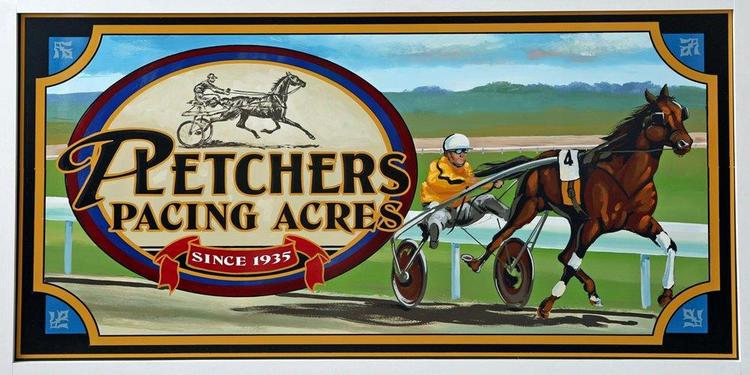
The Walldog Festival movement began more than two decades ago when more than 100 signpainters descended upon Allerton, IA, on July 30- August 1, 1993. In addition to restoring an eight-year-old painted wall mural, they created seven other hand-painted murals. Currently, the vast majority of non-electric signs are created with computer-cut vinyl or digitally printed […]
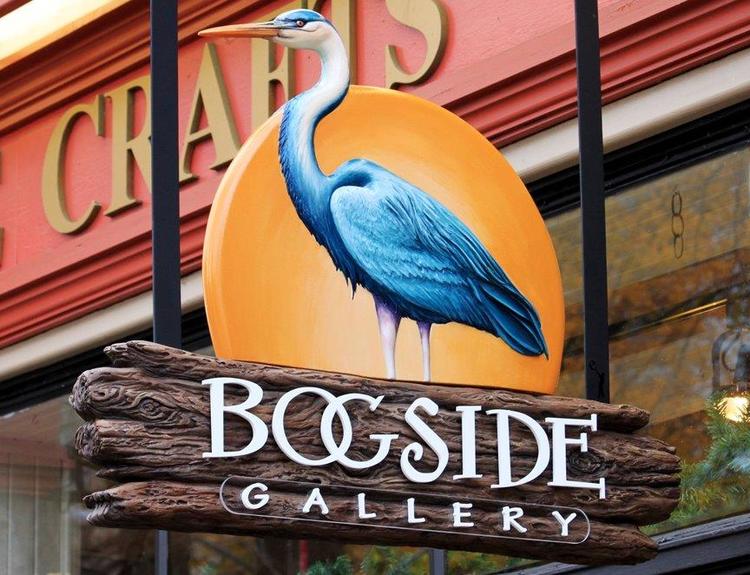
Signtronix is a California-based sign manufacturer that creates signs for small independent businesses nationwide. From 1996 through 2011, it asked its customers (retailers) to ask their first-time customers (shoppers) how they first found out about their store. Over this 14-year period, 46% of these 13,040 first-time patrons said they’d heard about the retailer because of […]