In 1985, the city of Agoura Hills, California enacted a sign ordinance that prohibited all pole signs, with the exception of a few that were less than 6 feet tall. It included an amortization period that ended in March 1992, at which time all of the pole signs would have to come down, without any […]
Continue readingCategory Archives: Sign Questions Answered

What’s the Economic Difference Between Doubled- and Single-faced Signs?
When a Pier 1 Imports store opened in Germantown, TN (a suburb of Memphis) in 1991, it was granted a permit for a sign that faced west-bound traffic. However, no signage was visible to east-bound traffic. A few months after the store’s opening, sales were 25% below projections, despite typical promotions, advertising and direct mailings. […]
Continue reading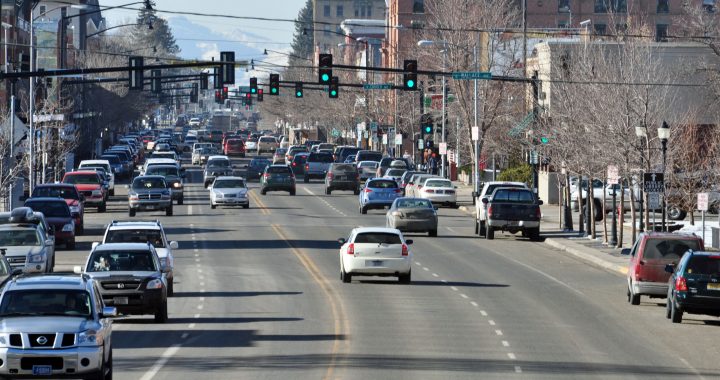
What Does a Business Owner Think About the Bozeman, MT Sign Code?
Roger Koopman wrote an editorial for the Bozeman Daily Chronicle a quarter century ago. Does it sound like it could be written today? This appeared in the February 1991 issue of Signs of the Times magazine. One of the more interesting hypocrisies of contemporary liberalism is the ease with which its followers can advocate a […]
Continue reading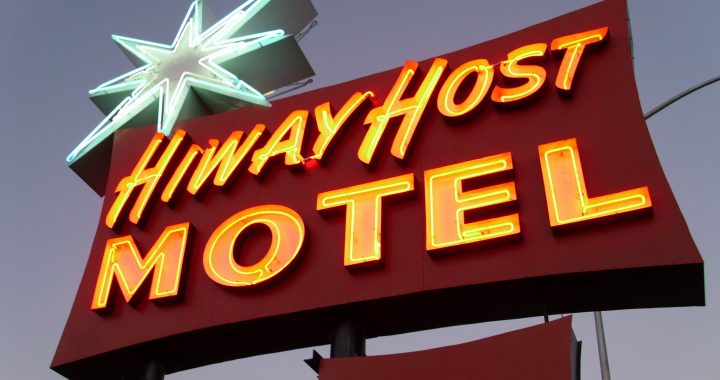
What Does Amortization Mean for Signage?
Amortization concerns the compensation for a sign that is no longer in compliance when a sign code changes. The theory is, if a sign is allowed to exist for a certain period of time, its owner would recoup their investment during a period prescribed by the local jurisdiction before the sign must be removed. This […]
Continue reading
Where Can I Find a Model Sign Code?
Various model sign codes and related guidance documents have been published, and many can be viewed in their entirety including the following: From The Sign Research Foundation http://www.signresearch.org/research-sign-codes/ From the USSC Foundation https://usscfoundation.org/wp-content/uploads/2018/03/USSC-Model-On-Premise-Sign-Code-2018.pdf From the Sign Research Foundation https://www.signresearch.org/wp-content/uploads/A-Framework-for-On-Premise-Sign-Regulation.pdf
Continue reading
Can a $500 Sign Generate $1.9 Million in Additional Revenue for a Health Clinic?
A Sarasota, Florida health-care clinic had a great suburban location, demographically. However, due to its location at the end of a two-story complex surrounded by oak trees, its fascia signage simply wasn’t visible from the interstate (0.2 miles away) or the four-lane frontage road with a median. The owner had a dozen other clinics, so […]
Continue reading
How Does the Americans with Disabilities Act Regulate Signage?
Undoubtedly, no aspect of any kind of signage regulations is more exacting, or likely to be altered, than those governed by the Americans with Disabilities Act (ADA), which was originally enacted in 1990. Primarily, this concerned access for people with disabilities, such as wheelchair ramps, railings, handicapped parking, etc. But it also included stipulations for […]
Continue reading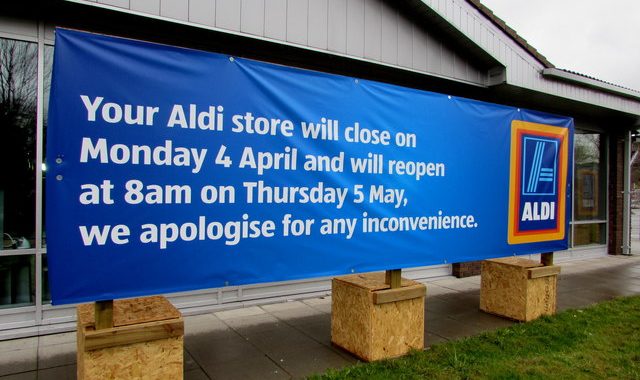
What are Some Recommendations for Regulating Temporary Signage?
Writing sign codes can be challenging for city planners and administrators who have had no formal training abut the nuances of on-premise signage. But a sub-category of this task, writing regulations specifically for temporary signage, presents an even more perplexing problem. Wendy Moeller, a Cincinnati, Ohio-based planner (AICP), who recently served as president of the […]
Continue reading
How Big Do the Letters on Signs, Parallel to the Road, Need to Be?
As noted elsewhere on this website, “visual acuity” and “conspicuity” and “cone of vision” are very important for signs, because motorists must be able to detect signs, read them and then react to them in a few seconds. So how much does the visibility change when a sign directly faces the driver (perpendicular to the […]
Continue reading