

A study conducted jointly by the Texas and Pennsylvania Departments of Transportation in April 2006 concluded the Clearview font increased the visibility distance for drives by 12% versus the existing Series E Modified font. In 1994, the Federal Highway Administration determined highway signs were no longer visible enough for a population that included older drivers. Over the next […]
Continue readingCategory Archives: Research



What Types of Lighting are Used for Internally Illuminated Signs?
During the past 20 years, the three primary lighting sources for signs have been fluorescent, neon and LEDs, but the relative ratio of each type has drastically changed. The industry trade journal, Signs of the Times, has tracked these changes over time via industry surveys. The most recent such survey was published in ST‘s March 2015 […]
Continue reading
Penn State Study Examines Font Legibility
The Larson Transportation Institute at Penn State University conducted a study on font legibility through a grant from Gemini Inc. (Cannon Falls, MN), a manufacturer of dimensional letters. The following is the Executive Summary from the report. For information about the full report, contact Philip Garvey at [email protected]. Background and objectives The enormous font selection […]
Continue reading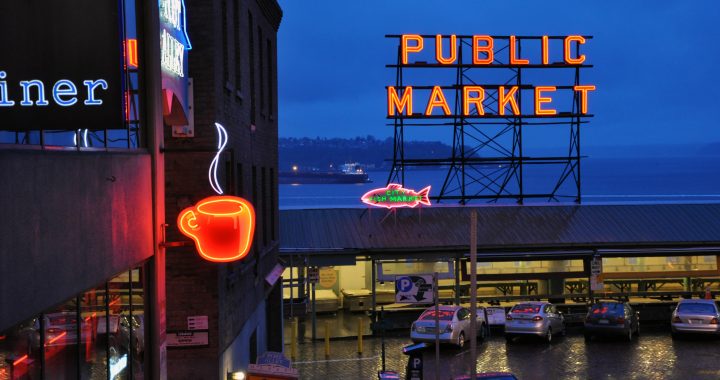
Villanova Study Examines Value of Illuminated On-premise Signs
Professor Charles R. Taylor, a marketing professor at Villanova University, and a Research Fellow at the Center for Marketing and Policy Research, conducted a survey of business owners as to the value of illumination for their on-premise signs. Surveys were sent to 750 business owners, and 333 useable responses were received. Here are some of […]
Continue reading
What the Street Graphics Books Say About Signs
In 1971, the American Planning Association (APA) began distributing a book called Street Graphics and the Law, which was authored by Daniel Mandelker and William Ewald. It recommended the uncompensated taking of signs and governmental control of signs’ design, message and content. The authors stated that their conclusions were substantially based on 1956 research conducted […]
Continue reading
What Happened in the Denny’s v. Agoura Hills Pole-sign Case?
In 1985, the city of Agoura Hills, California enacted a sign ordinance that prohibited all pole signs, with the exception of a few that were less than 6 feet tall. It included an amortization period that ended in March 1992, at which time all of the pole signs would have to come down, without any […]
Continue reading
What’s the Economic Difference Between Doubled- and Single-faced Signs?
When a Pier 1 Imports store opened in Germantown, TN (a suburb of Memphis) in 1991, it was granted a permit for a sign that faced west-bound traffic. However, no signage was visible to east-bound traffic. A few months after the store’s opening, sales were 25% below projections, despite typical promotions, advertising and direct mailings. […]
Continue reading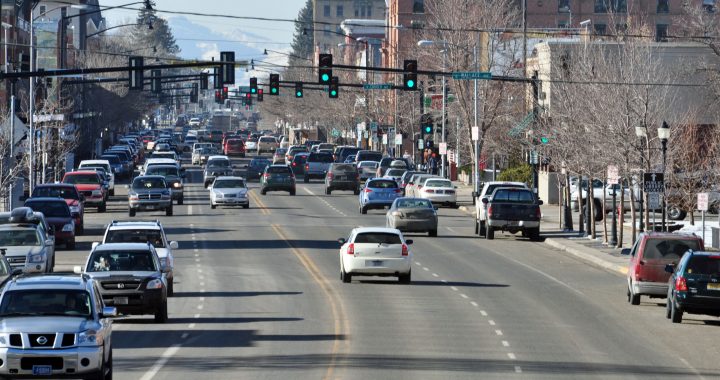
What Does a Business Owner Think About the Bozeman, MT Sign Code?
Roger Koopman wrote an editorial for the Bozeman Daily Chronicle a quarter century ago. Does it sound like it could be written today? This appeared in the February 1991 issue of Signs of the Times magazine. One of the more interesting hypocrisies of contemporary liberalism is the ease with which its followers can advocate a […]
Continue reading